
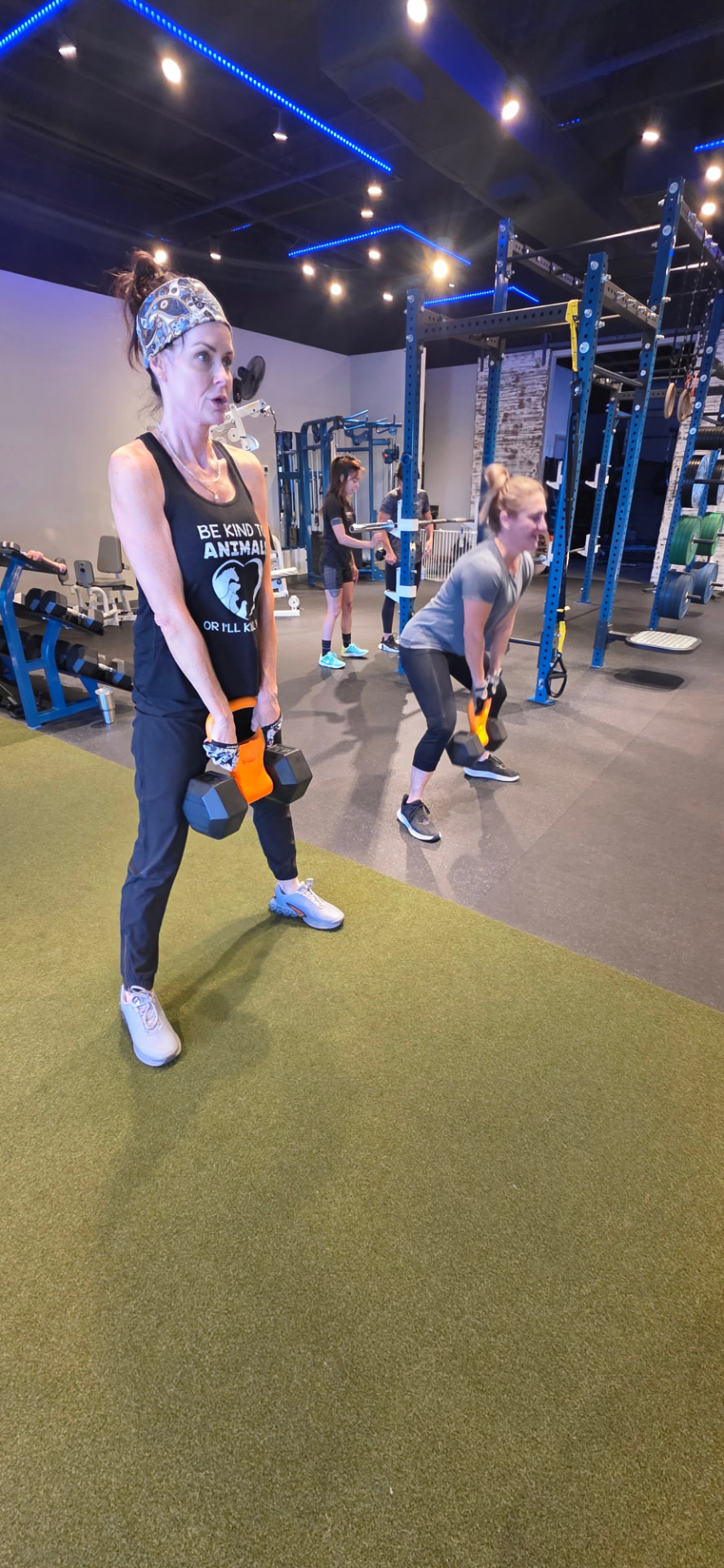
You're finally losing weight on Ozempic, but something feels off. Your energy is lower, you struggle with tasks that used to feel easy, and the number on the scale doesn't tell the whole story. Here's what your Scottsdale doctor may not have mentioned: up to 40% of the weight you lose on GLP-1 medications like Ozempic can come from muscle, not fat, unless you actively protect it with the right exercise program.
The solution is a personalized Ozempic fitness plan combining resistance training two to three times weekly with adequate protein intake—this approach can reduce muscle loss by 50% or more while you continue losing fat. At Everybitfit's GLP-1 workout program, we design strength-focused plans specifically for Scottsdale residents on semaglutide, tirzepatide, and similar medications.
This guide explains why muscle loss happens on GLP-1 medications, how Everybitfit's trainers address this challenge, and practical steps you can take today to protect your lean mass while reaching your weight loss goals.
Why Ozempic Users Lose Muscle—And Why It Matters
GLP-1 receptor agonists like Ozempic (semaglutide) work by reducing appetite and slowing gastric emptying. The result is significant caloric reduction—often dramatic—which triggers weight loss. But your body doesn't differentiate between fat and muscle when pulling from energy reserves during rapid weight loss.
Research published in Diabetes, Obesity and Metabolism found that participants on semaglutide lost approximately 25-40% of their total weight loss as lean body mass without exercise intervention. For someone losing 30 pounds, that could mean losing 8-12 pounds of muscle—tissue that burns calories, supports joint health, prevents falls, and maintains metabolic function.
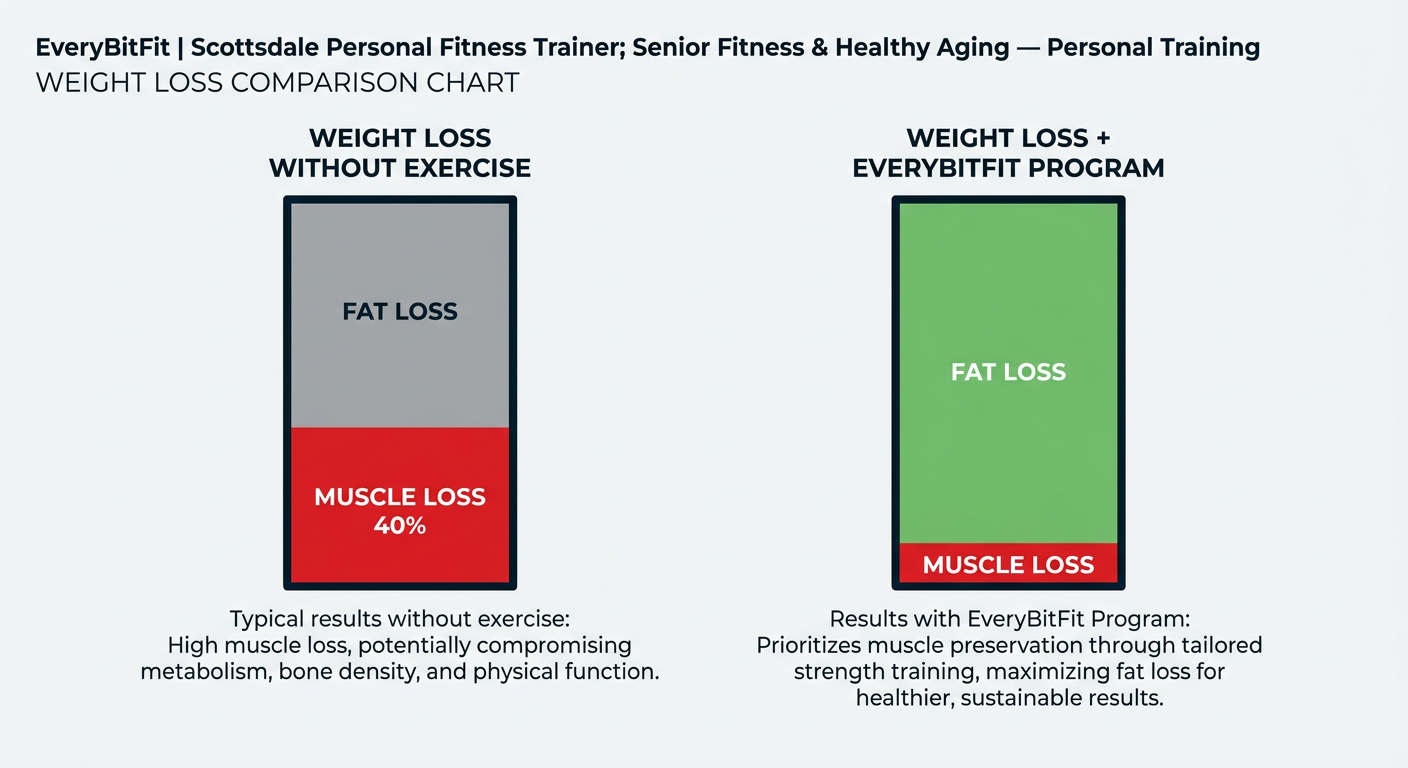
Strength training helps ensure that weight lost comes from fat stores rather than vital muscle tissue.
This matters especially for adults over 55. Sarcopenia—age-related muscle loss—already reduces muscle mass by 3-8% per decade after age 30. Add GLP-1-induced muscle loss on top of that natural decline, and you risk accelerating functional decline rather than improving it.
The consequences extend beyond appearance:
Lower resting metabolic rate means fewer calories burned at rest, making weight regain more likely
Reduced bone density often accompanies muscle loss, increasing fracture risk
Decreased functional strength affects daily activities like climbing stairs, carrying groceries, and getting up from chairs
Increased fall risk becomes a serious concern for older adults
Understanding this trade-off is the first step. The second is building a fitness plan that shifts the ratio toward fat loss while preserving—or even building—muscle.
How Everybitfit Creates Ozempic-Specific Training Programs
Generic workout advice doesn't account for the unique challenges GLP-1 users face. Appetite suppression often leads to inadequate protein intake. Reduced energy availability can make high-volume training counterproductive. And the rapid weight loss window creates urgency—you want to maximize muscle preservation during the months your medication is most effective.
At Everybitfit's private studio near Scottsdale Airpark, our certified trainers take a different approach. We start with a comprehensive assessment: your current medication dosage, eating patterns, energy levels, fitness history, and specific goals. Then we build a program around three core principles.
Progressive Resistance Training
Resistance training is non-negotiable for muscle preservation on Ozempic. The American College of Sports Medicine recommends two to three sessions weekly targeting all major muscle groups. But for GLP-1 users, the programming details matter significantly.
Our trainers prioritize compound movements that recruit multiple muscle groups: goblet squats, Romanian deadlifts, rows, presses, and loaded carries. We use progressive overload—gradually increasing weight, reps, or sets—to continuously challenge your muscles and signal your body to preserve lean tissue. Every session is tracked so we can adjust intensity based on your energy levels and recovery.

Personalized coaching ensures proper form during compound movements to safely stimulate muscle growth.
Nutritional Coaching Integration
You can't out-train poor nutrition, especially when appetite suppression makes eating feel like a chore. Nutritional coaching comes standard with every Everybitfit program because muscle preservation requires adequate protein—typically 1.0 to 1.2 grams per kilogram of body weight daily for adults on GLP-1 medications.
Our approach focuses on protein timing around workouts, high-quality protein sources that don't overwhelm reduced appetites, and meal planning that maximizes nutrition per calorie. We coordinate with your prescribing physician when helpful, ensuring your fitness and medical plans work together.
Recovery-Focused Programming
GLP-1 medications create a catabolic environment—your body is actively breaking down tissue for energy. Smart training builds muscle back. But recovery is when that rebuilding happens. Our programs balance training intensity with adequate rest, avoiding the overtraining that can accelerate muscle loss rather than prevent it.
Ready to protect your muscle while losing weight on Ozempic? Claim your Free Fitness Strategy Session + Workout at Everybitfit's private Scottsdale studio. We'll assess your current situation and build a plan tailored to your GLP-1 journey. Call (602) 743-6867 to schedule.
Practical Tips for Preserving Muscle on GLP-1 Medications
Whether you're working with a trainer or starting on your own, these evidence-based strategies help shift weight loss toward fat rather than muscle.
Prioritize Protein at Every Meal
When appetite is suppressed, every bite matters. Front-load meals with protein before filling up on lower-priority foods. Aim for 25-40 grams of protein per meal, three times daily minimum. Greek yogurt, eggs, chicken, fish, cottage cheese, and protein supplements can help meet targets even when food volume feels impossible.
Lift Heavier Than You Think You Should
Light weights with high repetitions won't provide sufficient stimulus for muscle preservation. Work in the 8-12 rep range with weights that feel challenging by the final two reps. If you can easily complete 15 reps, increase the load. This is exactly the kind of progressive strength training our trainers build into every client's program.
Schedule Workouts When Energy Is Highest
Many Ozempic users report energy fluctuations throughout the day and week. Pay attention to your patterns. If mornings feel stronger, train in the morning. If you inject weekly and notice energy dips on certain days, schedule rest days accordingly. Your trainer can help identify these patterns and optimize your schedule.
Don't Skip Training When You Don't Feel Like Eating
Appetite suppression and training resistance often correlate—days when eating feels hard are often days when exercise feels hard too. But skipping workouts during active weight loss accelerates muscle loss. Even shorter sessions with reduced intensity maintain the muscle-preserving stimulus your body needs.
Track More Than the Scale
Scale weight doesn't tell you what kind of weight you're losing. Our trainers use body composition measurements, strength benchmarks, and functional assessments to track progress. Losing 20 pounds while maintaining your deadlift strength tells a very different story than losing 20 pounds while getting weaker.
What Does an Ozempic Workout Plan Actually Look Like?
A well-designed GLP-1 fitness plan typically includes three structured training days per week, allowing adequate recovery between sessions. Here's an example of how our senior training programs structure a typical week:
Day 1 — Lower Body Focus: Goblet squats, Romanian deadlifts, leg press, calf raises, core stability work. Emphasis on hip hinge patterns and knee extension to maintain functional strength for daily activities.
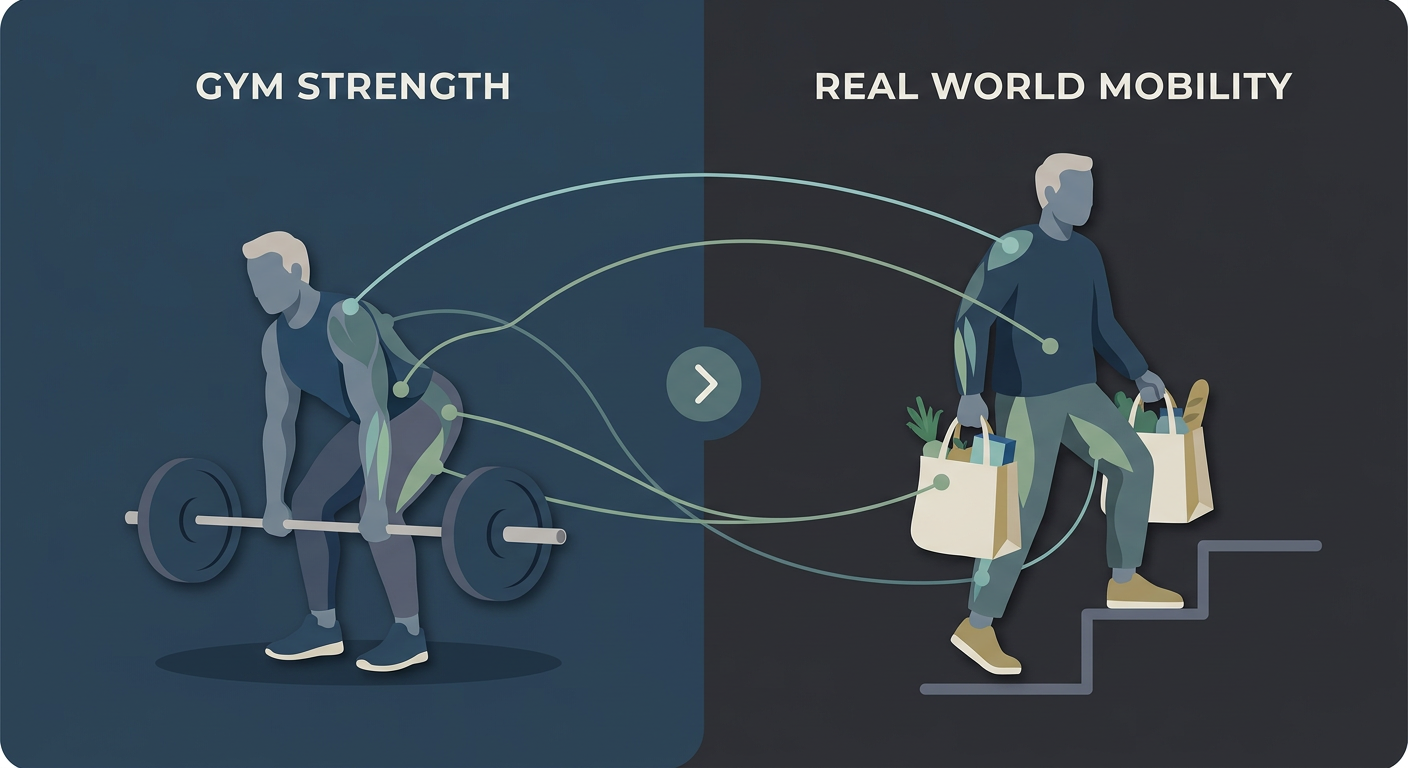
Functional strength training translates directly to improved mobility and balance in everyday life.
Day 2 — Upper Body Push/Pull: Dumbbell bench press, seated rows, overhead press, lat pulldowns, bicep and tricep accessory work. Balanced pushing and pulling protects shoulder health while building upper body strength.
Day 3 — Full Body + Metabolic: Lighter compound movements combined with loaded carries, step-ups, and controlled cardiovascular intervals. This session maintains conditioning without excessive caloric expenditure that could outpace protein intake.
Rest days include light walking and mobility work—nothing intense enough to dig deeper into energy reserves. This structure provides enough stimulus to preserve muscle while respecting the energy limitations GLP-1 medications can create.
Why a Private Studio Makes a Difference for GLP-1 Users
Walking into a crowded gym while navigating medication side effects and appetite changes adds unnecessary stress. At Everybitfit, you train in a private facility with no crowds, no judgment, and complete attention from your trainer.
This matters for GLP-1 users specifically because:
Your trainer adjusts in real-time based on how you feel that day—no pushing through when energy is genuinely depleted
Program modifications happen immediately when medication dosages change or side effects shift
Nutritional coaching conversations stay private and personalized
No waiting for equipment means efficient sessions that maximize your limited energy
We've worked with dozens of Scottsdale residents on Ozempic, Wegovy, Mounjaro, and Zepbound. Our trainers—both male and female—understand the unique challenges these medications create and how to design programs that work with them, not against them.
Who Benefits Most from Ozempic-Specific Training?
Our GLP-1 muscle preservation programs serve a specific population:
Adults 55+ on GLP-1 medications face compounded muscle loss risk from both medication effects and age-related sarcopenia. Targeted strength training becomes protective medicine, not just fitness.
Anyone concerned about weight regain understands that muscle is metabolically active tissue. Preserving lean mass during weight loss sets you up for easier maintenance afterward.
People who've lost weight but feel weaker may have already experienced significant muscle loss. Resistance training can help rebuild what's been lost while continuing fat loss.
Those new to GLP-1 medications have the best opportunity—starting a muscle-preservation program early prevents loss rather than trying to recover it later.
What to Expect in Your First Session
A lot happens before you ever touch a weight. Your initial consultation includes discussion of your medication timeline, current eating patterns, energy fluctuations, past exercise history, and specific goals. We want to understand what you're working with—physically and practically.
Then we assess current strength levels, movement quality, and any limitations from joints, injuries, or health conditions. This baseline tells us where to start and how quickly we can progress.
From there, we design a program tailored specifically to you. Not a template. Not a generic plan modified slightly. A custom program built around your medication, your body, and your goals.
Book a Free Strategy Session to see how this process works. There's no obligation, no high-pressure sales—just an honest conversation about whether our approach fits your needs.
Does Exercise Reduce Ozempic Effectiveness?
No—exercise enhances Ozempic results by shifting weight loss toward fat rather than muscle. Resistance training doesn't interfere with GLP-1 medication mechanisms. Instead, it protects lean tissue while the medication reduces appetite, creating a more favorable body composition outcome.
How Soon Should I Start Exercising After Beginning Ozempic?
Ideally, begin resistance training within the first few weeks of starting your medication. The earlier you establish the muscle-preserving stimulus, the less lean mass you lose during the rapid weight loss phase. If you've already been on GLP-1 medications for months, starting now still provides significant benefits.
Can I Just Do Cardio Instead of Strength Training?
Cardio alone doesn't preserve muscle—it may actually accelerate muscle loss when combined with caloric restriction from GLP-1 medications. While cardiovascular exercise supports heart health, strength training is essential for maintaining lean body mass. A balanced program includes both, with resistance training as the priority.
Start Your Ozempic Fitness Plan in Scottsdale
Weight loss on GLP-1 medications can transform your health—if you protect what matters. Losing fat while preserving muscle keeps your metabolism healthy, your bones strong, and your functional capacity intact. The alternative—losing muscle along with fat—sets you up for regain, weakness, and accelerated aging.
Everybitfit has helped Scottsdale residents on Ozempic, Wegovy, Mounjaro, and Zepbound achieve the results they actually wanted: sustained fat loss with preserved strength. No contracts, no gimmicks—just personalized training that works with your medication, not against it.
Claim your Free Fitness Strategy Session + Workout and see the difference a personalized approach makes. Call (602) 743-6867 or visit our private studio near Scottsdale Airpark to get started.
Frequently Asked Questions
How much muscle do you lose on Ozempic without exercise?
Studies show 25-40% of weight lost on Ozempic can come from muscle without resistance training. For someone losing 30 pounds, that's potentially 8-12 pounds of lean tissue. EveryBitFit's GLP-1 programs use targeted strength training to reduce this loss by 50% or more.
What type of exercise is best while taking Ozempic?
Resistance training two to three times weekly is essential for muscle preservation on Ozempic. Focus on compound movements like squats, deadlifts, rows, and presses using progressive overload. Our Scottsdale trainers design programs specifically for GLP-1 users balancing intensity with energy availability.
How much protein should I eat on Ozempic?
Adults on GLP-1 medications should aim for 1.0 to 1.2 grams of protein per kilogram of body weight daily—higher than typical recommendations. This supports muscle preservation during rapid weight loss. EveryBitFit's integrated nutritional coaching helps clients meet these targets despite reduced appetite.
Does EveryBitFit work with GLP-1 medication users?
Yes—EveryBitFit specializes in GLP-1 muscle preservation programs for Scottsdale residents on Ozempic, Wegovy, Mounjaro, and Zepbound. We design personalized resistance training and nutritional coaching around your medication schedule and energy fluctuations. Call (602) 743-6867 for a free strategy session.
When should I start working out after beginning Ozempic?
Begin resistance training within the first few weeks of starting Ozempic for best results. Early intervention prevents muscle loss rather than trying to rebuild afterward. Even if you've been on medication for months, starting now still provides significant protective benefits for lean mass.
This article is for informational purposes only and does not constitute medical advice. Consult your physician before beginning any new exercise or nutrition program, especially if you have existing health conditions. Results vary by individual based on effort, consistency, and adherence to programming. For personalized guidance, contact Everybitfit at (602) 743-6867 or visit everybitfit.com.