

You just received your DEXA scan results, and your doctor mentioned a word you weren't expecting: osteopenia. Now you're wondering what this means for your active life in Scottsdale—can you still hike Camelback, play pickleball, or even lift weights safely?
Here's what you need to know: Weight-bearing exercises like walking, stair climbing, and resistance training are safe and effective for osteopenia. These activities stimulate bone-building cells called osteoblasts. The key is proper form, progressive loading, and avoiding high-impact movements that increase fracture risk. A qualified personal trainer can design a bone-safe program tailored to your current bone density and fitness level.
At Everybitfit in Scottsdale, we specialize in helping adults over 55 build stronger bones through supervised, science-backed training. This article covers the exercise science behind bone health, safe movement strategies, and practical steps you can start today.
The Science Behind Exercise and Bone Density
Your bones aren't static structures—they're living tissue that responds to mechanical stress. When you load your skeleton through weight-bearing exercise or resistance training, you trigger a process called mechanotransduction. This fancy term simply means your bones sense physical stress and respond by building stronger tissue.
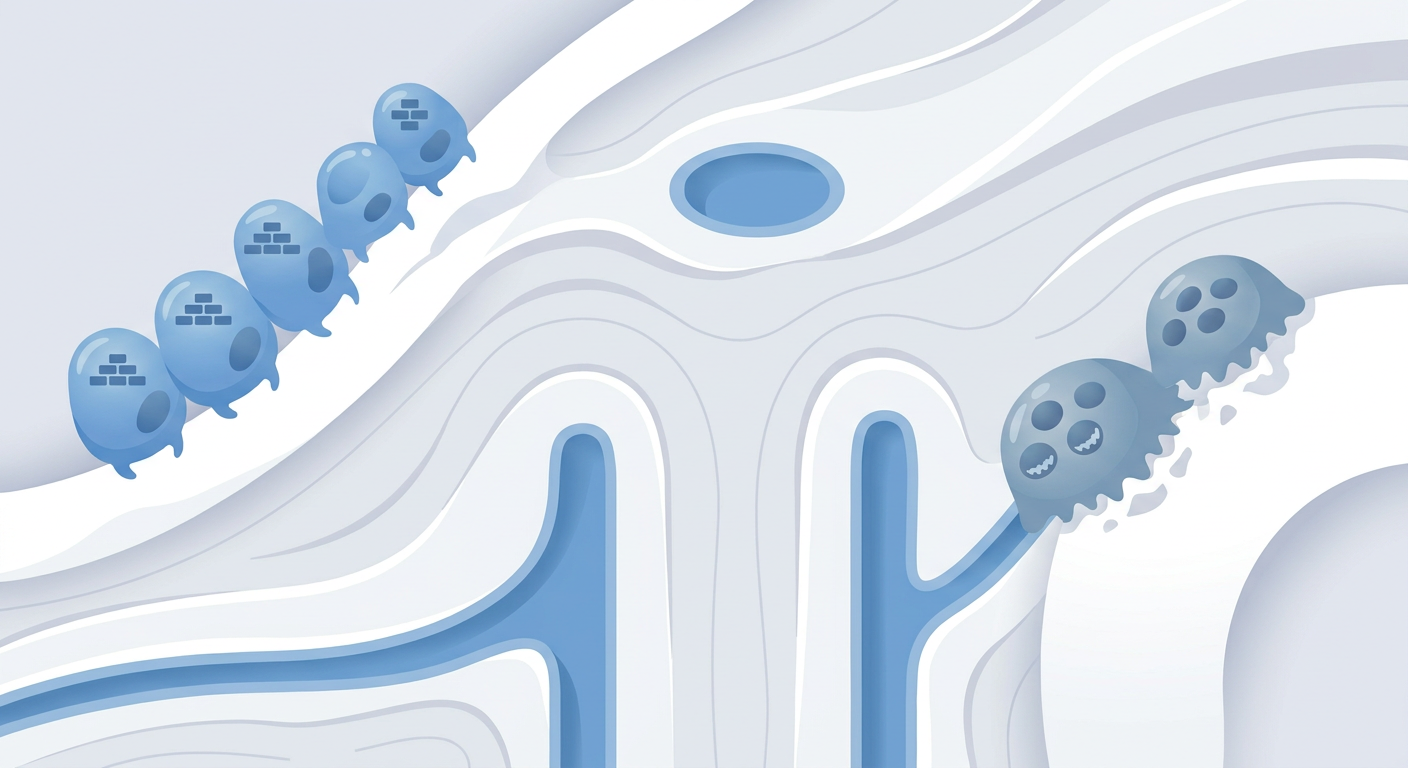
The key players are cells called osteoblasts (bone builders) and osteoclasts (bone removers). In a healthy balance, your body constantly remodels bone by removing old tissue and laying down new, stronger bone. Osteopenia occurs when this balance tips toward removal—osteoclasts work faster than osteoblasts can keep up.
According to the American College of Sports Medicine, weight-bearing and resistance exercises are the most effective non-pharmacological interventions for maintaining and improving bone mineral density. Research shows that adults who engage in regular strength training can slow bone loss and, in some cases, increase bone density at the spine and hip—the sites most vulnerable to osteoporotic fractures.
Here's what matters for someone with osteopenia: not all exercise is equal for bones. Swimming and cycling, while excellent for cardiovascular health, don't load the skeleton enough to stimulate bone growth. Your bones need ground reaction forces (from walking, jogging, stair climbing) and muscle pulling forces (from resistance training) to trigger the remodeling response.
The Bone Health & Osteoporosis Foundation recommends a combination of weight-bearing aerobic exercise, muscle-strengthening activities, and balance training for adults with low bone density. This combination addresses bone health while reducing fall risk—because the real danger of osteopenia isn't the condition itself, but the fractures that can result from falls.
How Everybitfit Approaches Bone Health Training
Training someone with osteopenia isn't the same as training a 25-year-old athlete. The exercises that build bone can also cause injury if performed incorrectly or progressed too quickly. That's why working with a trainer who understands bone physiology makes a significant difference.
At Everybitfit, our Scottsdale trainers design osteoporosis and bone-density training programs that prioritize both effectiveness and safety. Every program starts with understanding your current bone density levels, any movement limitations, and your physician's recommendations.
Our private studio near Scottsdale Airpark offers something you won't find at big-box gyms: one-on-one attention for every rep. When you're training with osteopenia, form isn't just about better results—it's about preventing the spinal flexion and twisting movements that increase fracture risk. Our trainers watch your movement patterns, cue proper alignment, and modify exercises in real time.
Personalized coaching ensures proper alignment and safety during weight-bearing exercises.
We integrate nutritional coaching into every program because bone health depends on more than exercise. Calcium, vitamin D, protein intake, and overall nutrition play crucial roles in bone remodeling. Your training program addresses the whole picture, not just what happens during your session.
Male and female trainers are available, matched to your goals and comfort level. Since 2013, we've helped hundreds of Scottsdale adults navigate aging with strength and confidence—including many who arrived after an osteopenia diagnosis wondering if they'd ever feel strong again.
Ready to train safely with osteopenia? See how personalized coaching can help with a Free Fitness Strategy Session + Workout. During this free assessment, we'll discuss your goals, review any limitations, evaluate your movement, and build a personalized roadmap for bone health. There's no pressure and no gimmicks—just results. Book Your Free Session or call (602) 743-6867.
Practical Tips You Can Start Today
You don't need to wait for a trainer to begin improving your bone health. These strategies are safe starting points for most people with osteopenia—though you should always clear new exercise programs with your physician first.
1. Add Weight-Bearing Walking
Walking on flat ground provides gentle bone-loading stimulus. To increase the challenge, add hills or stairs. Aim for 30 minutes most days. This is exactly the kind of foundational activity our trainers build upon—walking gives your bones baseline stimulus before we add resistance training.
2. Start Bodyweight Squats
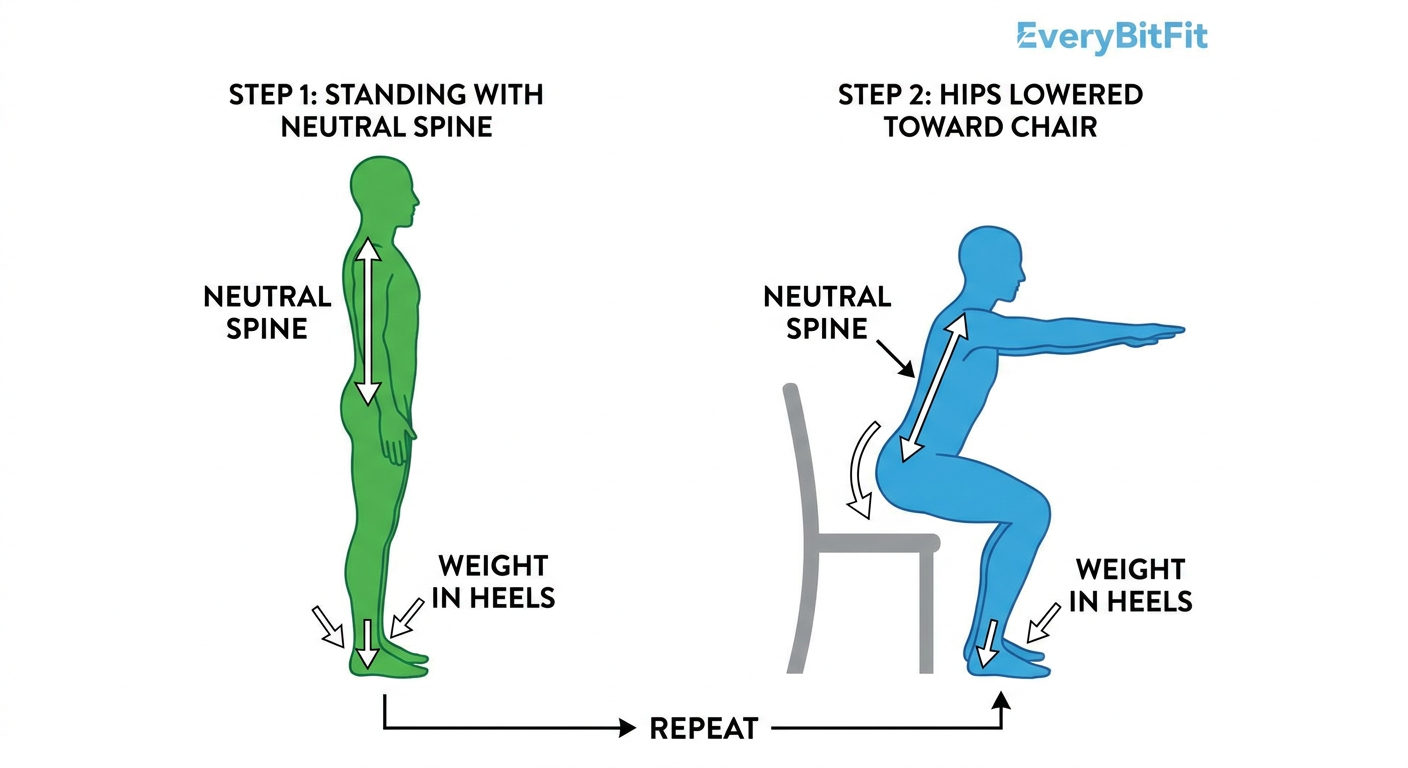
Stand in front of a sturdy chair, feet hip-width apart. Lower your hips back as if sitting down, lightly touch the chair, then stand back up. Start with 2 sets of 8-10 repetitions. Squats load the hip and spine—two areas most vulnerable to osteoporotic fractures. Progress to weighted squats only under qualified supervision.
3. Practice Balance Daily
Stand on one foot while brushing your teeth or waiting for coffee. Hold for 30 seconds per side. Better balance means fewer falls, and fewer falls means lower fracture risk. Balance training is a core component of every active adults program at Everybitfit.
4. Include Upper Body Resistance
Pushing and pulling movements—like wall push-ups or resistance band rows—load the spine and wrists. Start with light resistance bands and focus on controlled movement through full range of motion. Avoid any exercises that involve bending forward at the waist under load.
5. Prioritize Protein Intake
Bone is about 50% protein by volume. Adults over 50 need approximately 0.5-0.7 grams of protein per pound of body weight daily to support bone and muscle health. Our trainers discuss nutrition targets during your sessions—visit our Diets & Recipes page for meal ideas.
Can You Reverse Osteopenia With Exercise?
Exercise can slow bone loss and, in some cases, modestly increase bone mineral density—but calling it a "reversal" oversimplifies the science. Research shows that consistent resistance training combined with weight-bearing activity can improve T-scores at the spine and hip over 12-24 months.
The realistic goal is stopping the progression toward osteoporosis while reducing fracture risk through improved muscle strength and balance. At Everybitfit, we track client progress and adjust programs to maximize bone-loading stimulus safely over time.
What Exercises Should You Avoid With Osteopenia?
Avoid exercises that involve forward spinal flexion under load—traditional crunches, sit-ups, and toe touches compress the vertebrae and increase fracture risk. Also avoid high-impact activities like jumping or running on hard surfaces if your bone density is significantly reduced.
Twisting movements under load, such as weighted Russian twists, are also contraindicated. Our strength classes modify core exercises to protect the spine while still building the trunk stability you need for daily activities.
How Often Should Someone With Osteopenia Exercise?
The Bone Health & Osteoporosis Foundation recommends weight-bearing exercise for 30 minutes on most days, plus muscle-strengthening activities 2-3 times per week. Balance exercises should be performed daily, even if just for a few minutes.
Consistency matters more than intensity. A sustainable program you follow for years beats an aggressive program you abandon after two months. Everybitfit's trainers design programs that fit your schedule and energy levels—because the best bone-building exercise is the one you'll actually do.
Conclusion
An osteopenia diagnosis isn't the end of your active lifestyle—it's a signal to train smarter. The right combination of weight-bearing exercise, resistance training, and balance work can slow bone loss, reduce fracture risk, and help you feel confident in your body again.
But bone-safe training requires precision that generic gym workouts can't provide. That's where personalized coaching makes the difference. Call (602) 743-6867 or book your Free Fitness Strategy Session to experience what supervised, science-backed bone health training feels like.


